

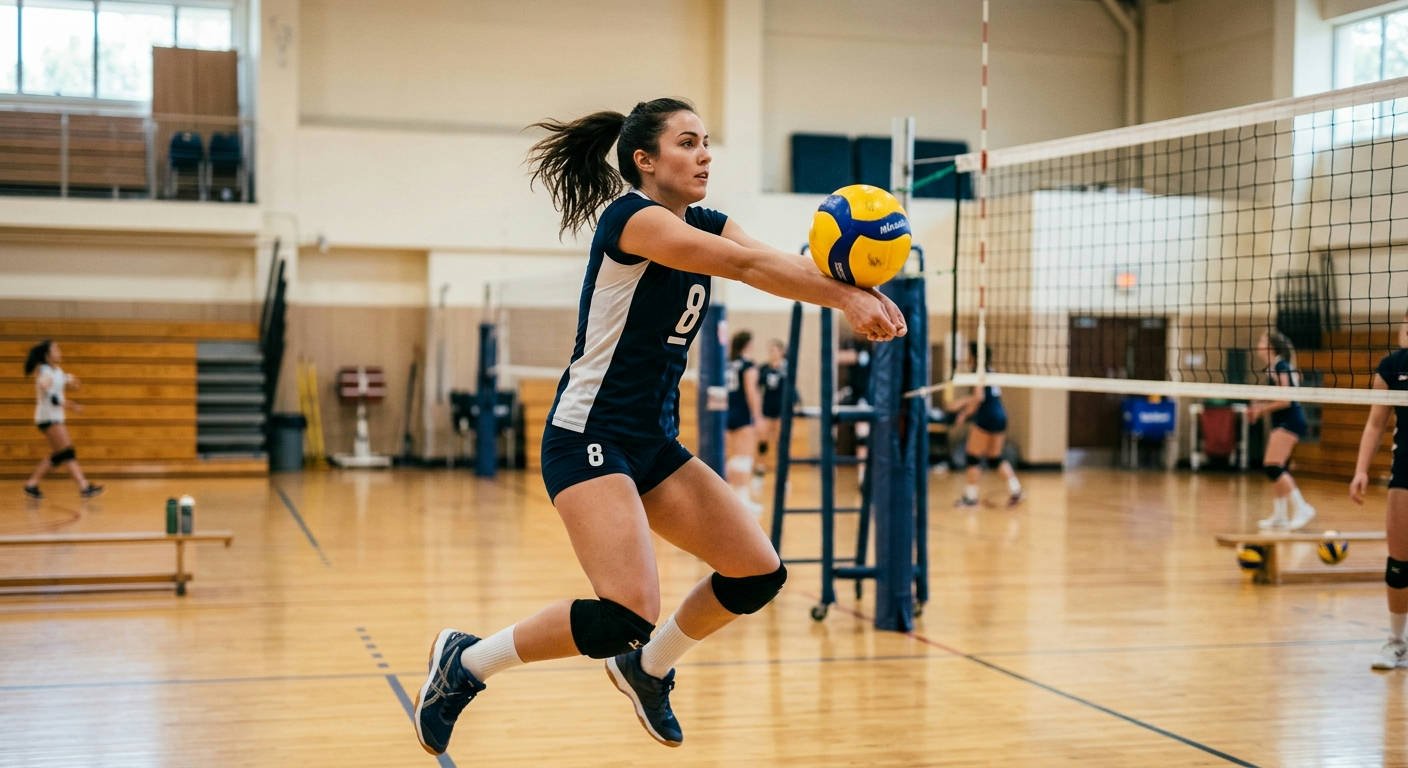
Stop killing your serves on a ball that feels like a rock and falls apart after a month. Finding the best durable indoor volleyball for practice isn’t just a preference; it’s a necessity for anyone serious about improving their game in 2026. A practice ball is your most faithful training partner—it takes thousands of hits, from pepper drills to full-blown spike lines. Using a cheap, unreliable ball messes with your touch, ruins your muscle memory, and ultimately holds you back. This guide cuts through the noise and gets straight to the point: finding a ball that can take a beating and still feel amazing, practice after practice.
Why Your Practice Ball is Your Most Important Piece of Gear
Think about it. You might have the fanciest shoes or the coolest knee pads, but the ball is the one thing you make contact with on every single play. The feel, weight, and flight path of your practice ball directly translate into how you perform on game day.
A high-volume practice schedule demands a ball that won’t quit. We’re talking hundreds of serves, passes, and attacks every single session. A low-quality ball will start to warp, lose its grip, and feel lumpy in no time. This inconsistency is a silent killer of progress. You start unconsciously adjusting your contact point to compensate for the ball’s flaws, which is the exact opposite of what practice is for.
A great practice ball provides a consistent, reliable touch every time. It allows you to build true muscle memory so that when you step onto the court for a match, your body knows exactly what to do. Investing in a durable, high-quality practice ball is an investment in your own skills.
The Ultimate 2026 List: Finding the Best Durable Indoor Volleyball for Practice
We’ve done the work, hitting thousands of balls to find the ones that stand up to the grind. Here are the top contenders that deliver on feel, performance, and most importantly, durability.
Mikasa V300W Competition Model
This ball is an absolute workhorse. While its sibling, the V200W, is the official Olympic game ball, the V300W is built with a nearly identical feel but is often found at a more practice-friendly price point. Its 18-panel laminated design and composite cover are engineered for longevity.
The double-dimpled microfiber surface helps grip the ball for better setting and reduces the sting on your arms during long passing sessions. If you want a ball that will feel the same on day one as it does on day one hundred, the Mikasa V300W is a top-tier choice.
Molten FLISTATEC V5M5000
Molten’s FLISTATEC (Flight Stability Technology) isn’t just marketing fluff. The hexagonal texturing on the surface really does create a more stable, predictable flight path, which is crucial for practicing your serves and spikes. The composite leather cover is tough as nails without feeling like you’re hitting a brick.
This ball is known for holding its shape and air pressure exceptionally well, thanks to its durable butyl bladder. It’s the official ball for NCAA championships, so practicing with it gets you accustomed to what you’ll see at higher levels of competition. It’s a fantastic investment for any serious player.
Tachikara SV-5WSC Sensi-Tec
Don’t let the softer feel fool you—this ball is surprisingly resilient. The Tachikara SV-5WSC uses a Sensi-Tec microfiber composite leather that provides a cushioned touch, making it a favorite for players who find other balls too harsh on their arms.
It’s an excellent choice for long drills and for younger players developing their platform control. The patented Loose Bladder Construction (LBC) method enhances the ball’s responsiveness and durability. It offers a great balance of comfort and performance, proving that a durable practice ball doesn’t have to be hard.
Wilson K1 Gold
Wilson brings its A-game with the K1 Gold. This ball is a fantastic mid-range option that punches well above its weight in durability. It features a microfiber composite leather cover that provides a solid grip and a soft feel.
What sets it apart is the internal command lining, which helps the ball retain its shape after thousands of powerful hits. It’s a reliable, no-fuss option that gives you a consistent feel without breaking the bank. For school teams or players who need multiple practice balls, the K1 Gold is a smart and durable pick.
Decoding the Specs: What Actually Makes a Volleyball Durable?
You see terms like “composite” and “butyl bladder” on the box, but what do they mean for the ball’s lifespan? Understanding the guts of a volleyball helps you make a smarter purchase.
The Cover Material Showdown: Composite vs. Synthetic Leather
The ball’s cover is its first line of defense. Most high-quality indoor balls use a microfiber composite leather. This material is designed to mimic the feel of real leather but with significantly enhanced durability and moisture-wicking properties. It’s soft to the touch but incredibly resistant to scuffs and peeling.
Cheaper balls often use a standard synthetic leather, which can feel more like plastic and tends to get slick with sweat. For a truly durable practice ball, composite is the way to go.
Construction is King: Laminated vs. Molded
Volleyballs are generally made in two ways: laminated (panels are glued to an inner lining) or molded (panels are fused together in a mold). The high-end balls like Mikasa and Molten are laminated. This process allows for a more nuanced feel, better balance, and a softer touch.
While molding used to be a sign of a cheaper ball, modern techniques have improved. However, for the ultimate in feel and durability, a well-constructed laminated ball is still the industry standard.
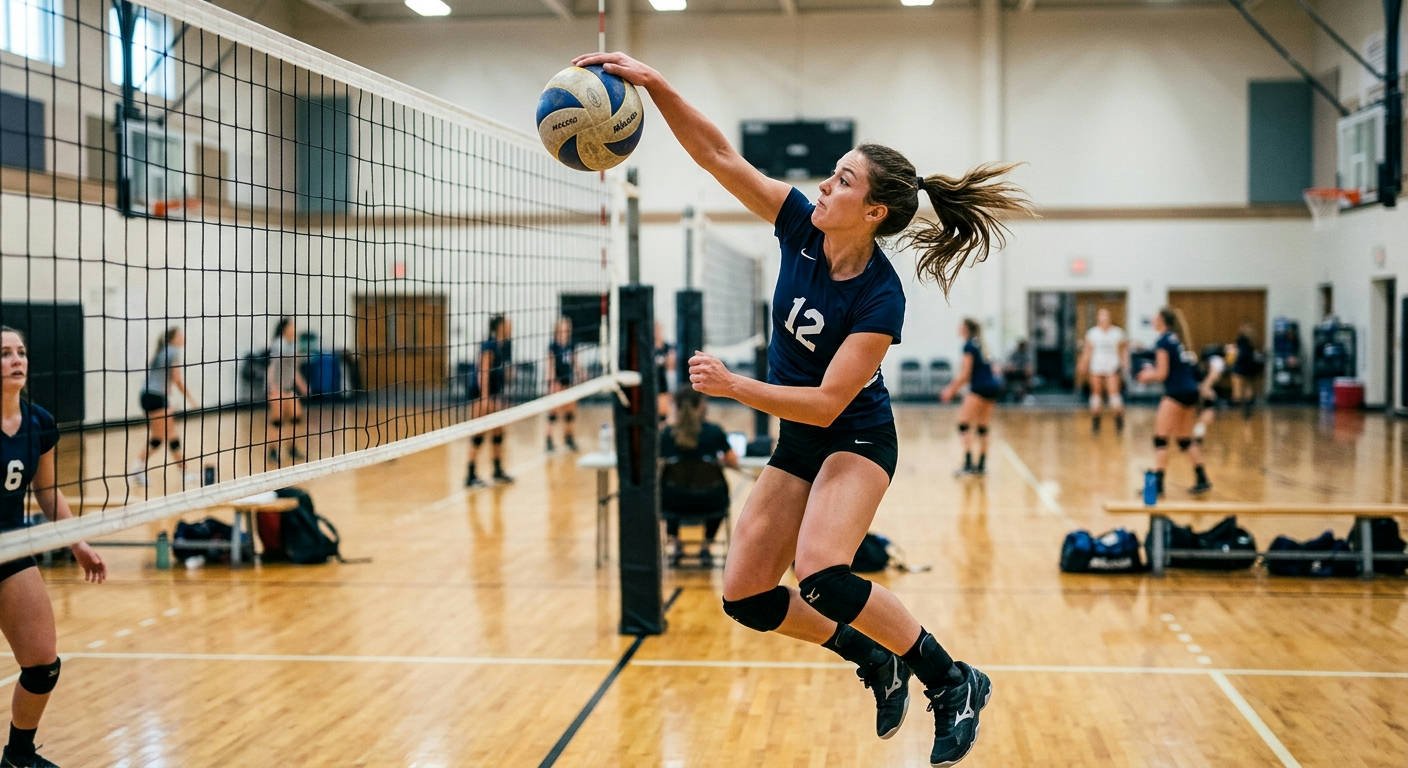
Bladder Business: Why Butyl Bladders Win for Air Retention
The bladder is the heart of the volleyball. A ball that loses air constantly is annoying and bad for its health, as repeated inflation and deflation can stress the seams.
The gold standard for any quality sports ball is a butyl rubber bladder. It holds air significantly better than the latex bladders found in cheaper balls, meaning you spend less time with the pump and more time practicing.
A ball with a butyl bladder will maintain its official pressure and shape for weeks, not days. This consistency is exactly what you need in the best durable indoor volleyball for practice.
How to Test a Volleyball’s Durability (Right Out of the Box)
So your new ball arrived from Amazon. Before you start peppering, take a minute to give it a quick inspection. This can help you spot any manufacturing defects while you’re still in the return window.
The Squeeze Test
Give the ball a firm squeeze all around. It should feel consistently firm with no soft spots or weird lumps. Check where the panels meet; they should feel smooth and seamless, not like hard ridges under the surface.
The Bounce Test
Drop the ball from chest height onto a hard floor. It should have a lively, consistent, and straight bounce. If it wobbles or veers off to one side, it could be a sign of an imbalanced bladder, which will lead to unpredictable flight in the air.
The Seam Inspection
Look closely at the seams. On a laminated ball, the grooves should be clean and perfectly bonded. You shouldn’t see any signs of peeling or dried glue. On a stitched ball (less common for high-end indoor models), the stitching should be tight and even. Any looseness is a red flag for future durability issues.
Extending the Life of Your Volleyball: Pro Tips
You bought a great ball; now make it last. Proper care is simple and can add months or even years to its life. Neglect is the number one killer of even the most durable volleyballs.
Inflation Matters: Don’t Overdo It
Every volleyball has its recommended inflation pressure printed right on the ball, usually between 4.3 and 4.6 PSI. You can find the official regulations for ball specifications from governing bodies like FIVB. Over-inflating your ball puts immense stress on the seams and can cause it to feel hard and unforgiving. Under-inflating it makes it feel mushy and unresponsive. Get a small pressure gauge—it’s a worthwhile investment.
Storage Smarts: Keep it Cool and Dry
The absolute worst place for your volleyball is the trunk of your car. Extreme temperature swings—from a hot car in the afternoon to a cold garage at night—cause the air inside to expand and contract, which can damage the bladder and panels. Store your ball at room temperature and away from direct sunlight.
Cleaning Your Ball the Right Way
Gym floors are dirty. After a long practice, wipe your ball down with a soft, damp cloth and a little bit of mild soap if needed. Never use harsh chemical cleaners or abrasive pads, as they can strip the cover’s finish and degrade the composite material over time. A clean ball not only looks better but also provides a better grip.
Common Practice Ball Problems and How to Avoid Them
Even the best balls can run into trouble. Here’s what to look out for and how to prevent it.
The Dreaded Lumps and Bumps
If your ball starts to develop an “egg” shape or a weird bulge, it’s almost always a sign of a failing bladder or that the inner lining has separated from the outer cover (delamination). This is often caused by chronic over-inflation or a major impact on a sharp object. Once this happens, the ball is unfortunately done for. Sticking to a quality brand dramatically reduces the risk of this happening.
### When Looking for the Best Durable Indoor Volleyball for Practice, Avoid Peeling Panels
Peeling panels or fraying seams are the most obvious signs of a ball reaching the end of its life. This is caused by a breakdown of the adhesive holding the ball together. While it’s inevitable after years of heavy use, it happens much faster on cheap balls with poor-quality glue. Wiping your ball down and storing it properly can help preserve the adhesive for longer.
A great volleyball should feel like an extension of your body. When it starts to peel or warp, that connection is broken. Investing in quality from the start prevents that distraction.
The “Rock” Effect: When Your Ball Gets Too Hard
Some lower-quality composite materials can harden over time, especially with exposure to temperature fluctuations or harsh cleaners. The ball loses its soft touch and starts to sting your arms. This is another reason to stick with trusted brands like Mikasa, Molten, and Tachikara, as their material science is top-notch. Their balls are designed to retain a consistent feel throughout their lifespan.
Our Final Serve: Your Perfect Practice Partner Awaits
Choosing the right practice ball is a fundamental part of a serious training regimen. It’s not about having the flashiest gear; it’s about having the most reliable tool to hone your craft. The best durable indoor volleyball for practice is one that gives you a consistent, true touch every single time you step on the court.
By investing in a ball with a quality composite cover, a butyl bladder, and a solid construction, you’re setting yourself up for more productive and enjoyable practices. You’re building the right kind of muscle memory that will show up when it counts. Check out our resources on the Athlete Life for more tips on optimizing your training and gear. Now go pick your perfect training partner and get to work.
