

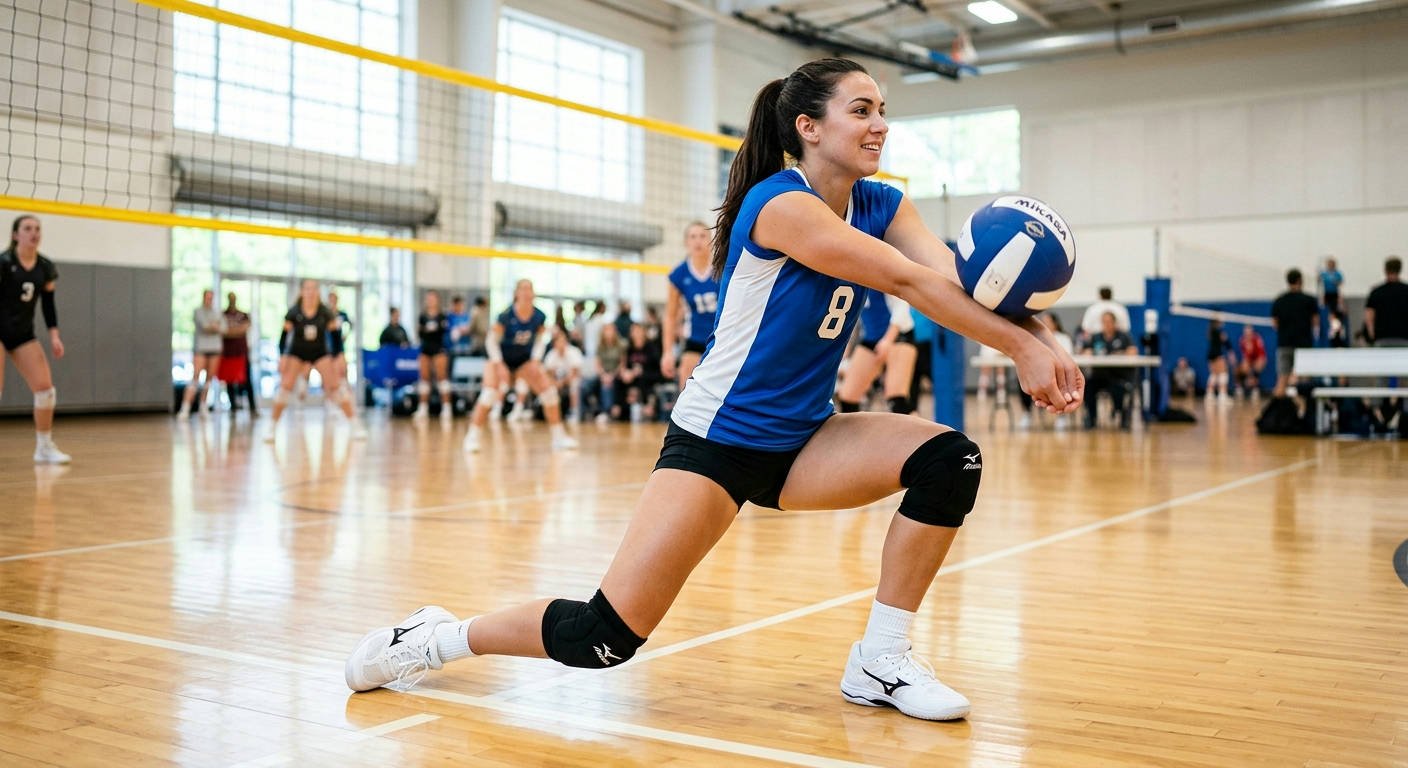
Let’s get straight to it. You’re searching for authentic, no-nonsense mizuno women’s volleyball knee pads reviews, and here at Sparkle and Spike, we don’t do fluff. We live and breathe this sport, from the pre-game jitters to the post-match analysis. We’ve put the latest 2026 Mizuno models, specifically the popular LR6, through the wringer—three-hour practices, weekend tournaments, and countless dive drills. This isn’t a regurgitated spec sheet; it’s a battle-tested report from the court.
You need to know if these knee pads are worth your money and, more importantly, if they’ll actually protect your knees when you go all-out for a pancake dig. So, let’s dig in.
First Impressions: Unboxing the Mizuno LR6
The unboxing experience is, to be blunt, completely unremarkable. They come in a standard cardboard and plastic package that you’ll tear open and immediately forget. There’s no fancy presentation, but who cares? We’re here for performance, not packaging.
The Look and Feel
Right out of the box, the Mizuno LR6 knee pads feel substantial yet surprisingly lightweight. The fabric of the sleeve is a smooth, tightly woven blend that feels compressive without being restrictive. It has that premium athletic gear feel, unlike some cheaper brands that feel like scratchy tube socks.
The padding itself is dense. Squeezing the VS-1 foam, you can tell it’s designed for high impact. Aesthetically, they’re minimalist. The classic Mizuno RunBird logo is prominent but not obnoxious. They look sleek and professional, which is a definite plus for players who care about their on-court style. You’ve got your gear sorted, now you just need the a look to match. Check out some of our favorite Game Day Makeup Looks to complete your vibe.
Initial Fit and Sizing Woes
Here’s our first red flag: sizing is tricky. Mizuno’s sizing chart seems to be written for a completely different species. I followed their measurement guide meticulously, and the pair I ordered was uncomfortably tight around the thigh.
This seems to be a recurring theme in 2026. My advice is to size up, especially if you have more developed quadriceps from years of squats and jumps. The initial compression is intense, and while it might loosen slightly over time, you don’t want your circulation getting cut off mid-match.
What’s in the Box (and What’s Not)
You get one pair of knee pads. That’s it. No carrying bag, no special washing instructions beyond the tiny tag sewn inside, no extra frills. It’s a utilitarian approach that focuses solely on the product. Honestly, it’s fine. We’d rather they invest the money in the product’s R&D than in a cheap mesh bag we’ll lose anyway.
The Nitty-Gritty: Features That Actually Matter
Mizuno loves to throw around technical terms for their features. Let’s break down what they actually mean for you on the court.
Padding Technology: Is VS-1 Still King in 2026?
Mizuno has been using their VS-1 shock-absorbing cushioning polymer for years, and for good reason. It works. The padding on the LR6 is exceptional at absorbing impact. I took several direct, hard-wood floor dives specifically to test this, and my knees felt nothing.
The padding is strategically placed to cover the entire patella and surrounding areas without feeling bulky. It offers top-tier protection that gives you the confidence to go for those tough gets without hesitation. Protecting your joints is paramount, as knee injuries can sideline even the most conditioned athletes. According to the American Academy of Orthopaedic Surgeons, proper conditioning and equipment are key to injury prevention.
The Sleeve Material: Breathability vs. Durability
The sleeve is a blend of polyester, cotton, and Spandex. It strikes a decent balance between comfort and compression. It’s more breathable than older models, which is a huge plus during long, sweaty tournaments. My legs didn’t feel like they were suffocating.
However, this is where the durability question comes in. The material, while comfortable, shows signs of pilling faster than I’d like, especially in high-friction areas where the sleeve rubs against itself. It’s a trade-off: you get better breathability, but you might sacrifice some long-term resilience.
DF Cut: A Gimmick or a Game-Changer?
DF Cut, or “Dynamotion Fit,” is Mizuno’s design philosophy for creating gear that moves with your body. For these knee pads, it means a more articulated, pre-curved shape that’s meant to bend with your knee without bunching up.
And you know what? It actually works. The knee pads feel incredibly natural when you’re moving from a standing to a defensive position. There’s minimal fabric bunching behind the knee, which is a common and annoying issue with lesser pads. This is one feature that isn’t just marketing jargon; it’s a tangible performance benefit.
“A knee pad that bunches up behind your knee is more than an annoyance; it’s a distraction. The DF Cut on the LR6 genuinely minimizes that, letting you focus on the next play, not on your gear.”
On-Court Performance: A Libero’s Diary
I wore the Mizuno LR6 exclusively for a full week of intense practices and one weekend tournament to give them a proper trial by fire.
Diving and Sliding: The Real Test
This is where the LR6 truly earns its keep. The impact absorption is phenomenal. On both classic knee-first dives and longer, smoother slides, the padding performed flawlessly. My knees, which can get sore after a long session, felt fresh and pain-free.
The pad covers a generous area, so even on slightly off-center landings, I felt fully protected. You never feel that dreaded “stone bruise” sensation when you come down hard. For a defensive player, that confidence is priceless.
Do They Stay Up? The Slip Factor
This is the million-dollar question for any volleyball player. And the answer for the LR6 is… mostly.
Because of the snug fit (after I sized up), they stayed in place remarkably well during the first hour of play. However, as sweat started to build up, I did find myself having to pull up the top band every so often, maybe once or twice per set. It’s not a dealbreaker, but it’s not perfect either. Players who have had issues with knee pads slipping in the past might still find these a bit frustrating.
Sweat Management and Odor Control
The breathability is a clear upgrade. They don’t turn into personal leg saunas like some thick, old-school pads. They wick moisture away from the skin effectively, which helps with comfort and reduces the dreaded slip factor mentioned above.
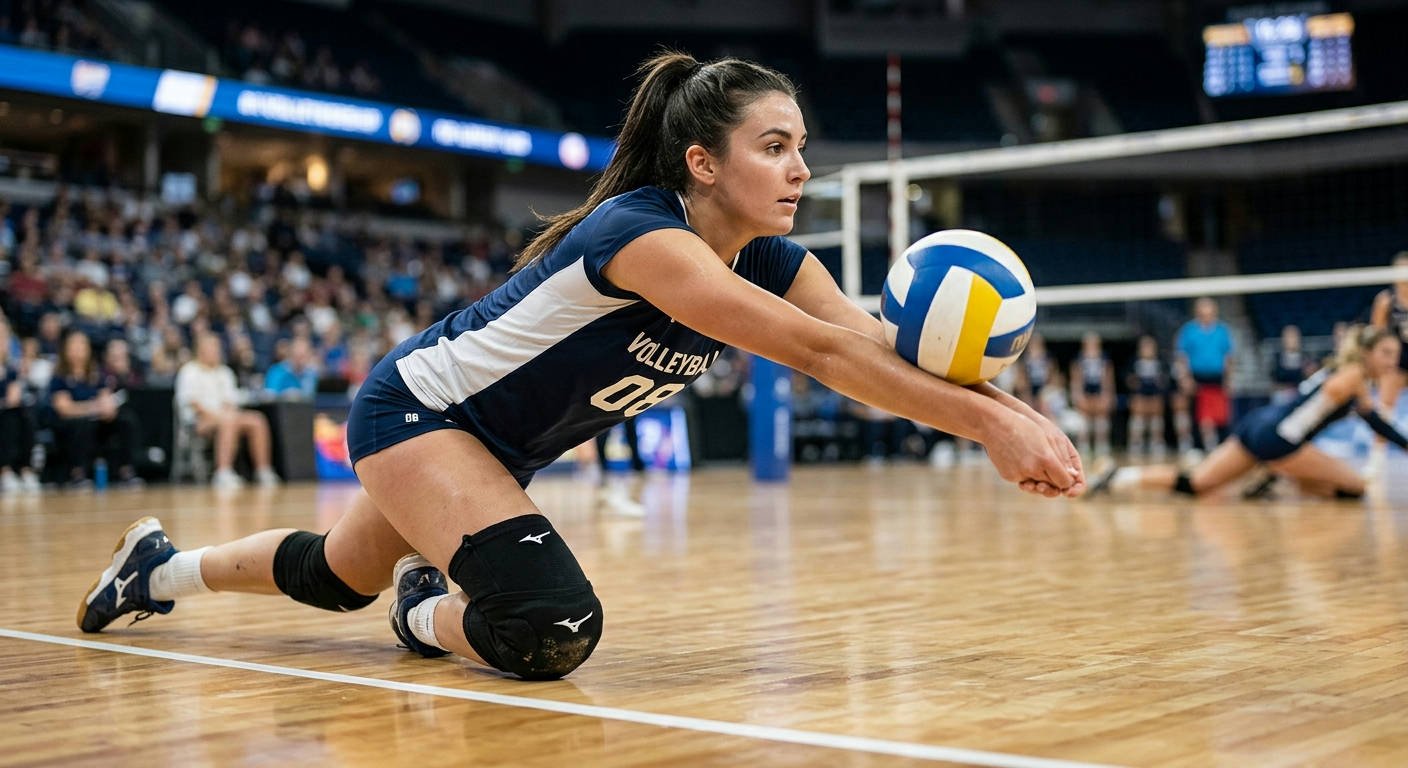
Odor control is average. After a few sweaty sessions, they will start to smell. This is unavoidable with any knee pad. They need to be aired out immediately after use and washed regularly to keep the funk at bay. Don’t be that player who leaves their knee pads festering in their bag for a week.
Mizuno Women’s Volleyball Knee Pads Reviews: The Good, The Bad, The Ugly
Let’s distill this all down into a clear, scannable breakdown. We’re committed to providing the most thorough mizuno women’s volleyball knee pads reviews online, and that means being brutally honest.
The Pros: Where Mizuno Shines Bright
- Elite Impact Protection: The VS-1 foam is the real deal. It absorbs an incredible amount of force, saving your joints.
- Excellent Fit Articulation: The DF Cut makes for a comfortable, non-bunching fit when you’re moving.
- Sleek, Low-Profile Design: They protect without making you look like you have pillows strapped to your knees.
- Good Breathability: The sleeve material keeps you cooler and drier than many competitors.
The Cons: Major Letdowns and Annoyances
- Inconsistent Sizing: The sizing chart is unreliable. You’ll likely need to size up, making online purchases a gamble.
- Durability Concerns: The sleeve fabric is prone to pilling and fraying sooner than expected for a premium product.
- Minor Slippage: While better than most, they still require occasional adjustment during intense, sweaty play.
- Premium Price: You’re paying a premium for the Mizuno name and technology.
The Ugly: Dealbreakers for Serious Players
The potential dealbreaker is the durability-to-price ratio. At their 2026 price point, you expect a product that will last an entire competitive season without looking like it’s been through a war. Seeing significant pilling after just a couple of weeks is disheartening and makes you question the long-term value.
Mizuno vs. The Competition: How Do They Stack Up?
No review is complete without looking at the alternatives. The market is full of options, but two main rivals stand out in 2026.
Comparison: Mizuno LR6 vs. Asics Slider
The Asics Slider is a classic for a reason. It generally offers a bit more padding coverage, extending further down the shin. However, it’s also bulkier and the sleeve isn’t as breathable as the LR6. If you want maximum surface area protection and don’t mind a little extra bulk, the Asics might be for you. If you prioritize a sleek fit and mobility, stick with Mizuno.
Comparison: Mizuno LR6 vs. Nike Streak
The Nike Streak is all about minimalism and a lightweight feel. It’s incredibly popular but offers noticeably less padding than the Mizuno LR6. The Streak is a great option for setters or hitters who dive infrequently. But for liberos and defensive specialists who live on the floor, the superior impact absorption of the Mizuno is the clear winner. This choice directly impacts your ability to play aggressively while minimizing the risk of acute or overuse injuries, a significant concern in high-impact sports like volleyball according to extensive research by the National Institutes of Health.
The Price Point: Are They Worth the 2026 Price Tag?
This is the tough question. The performance and protection are undeniably top-tier. But the durability concerns make the high price tag a bitter pill to swallow. If they lasted for two full seasons, the price would be a no-brainer. As it stands, you’re paying for elite performance that might have a shorter-than-ideal lifespan.
Longevity and Care: Will They Last the Season?
With proper care, you can probably squeeze a full club season out of them. But you need to be diligent.
“Treat your knee pads like any other piece of high-performance gear. Don’t just throw them in your bag and forget them. Air them out, wash them correctly, and they’ll protect you when you need it most.”
Washing Machine Roulette: How to Clean Them Without Ruining Them
Never, ever put them in the dryer. The heat will destroy the foam and the elastic. Wash them on a cold, gentle cycle, preferably in a delicates bag. Use a sports-specific detergent if you can, as it’s better at breaking down the bacteria that cause odors. Lay them flat to air dry. This is the only way to maximize their lifespan.
Signs of Wear and Tear to Watch For
The first thing you’ll notice is pilling on the fabric sleeve. The next will be the elastic bands at the top and bottom starting to lose their tension. The critical sign that it’s time for a new pair is when you can feel the foam compressing and not bouncing back. If the padding feels flat or “dead,” its protective qualities are gone, and it’s time to retire them.
The Final Verdict: Sparkle and Spike’s Recommendation
So, after all that, should you buy the Mizuno LR6 women’s volleyball knee pads in 2026? The answer is a conditional yes.
Who Should Buy These Knee Pads?
These knee pads are for the serious, competitive player who prioritizes impact protection and a mobile, articulated fit above all else. If you’re a libero or a six-rotation outside hitter who spends a lot of time hitting the floor, the protection they offer is worth the investment and the potential durability issues. This is an essential part of the modern Athlete Life—investing in gear that keeps you on the court.
If you’re a casual player, a setter, or someone on a tight budget, there are more durable and affordable options out there that will serve you just fine.
A Closer Look at the Mizuno Women’s Volleyball Knee Pads Reviews from the Community
Our findings align with what we’re hearing from the wider volleyball community. Most mizuno women’s volleyball knee pads reviews praise the incredible protection and comfortable fit but almost always mention the questionable longevity and finicky sizing as major drawbacks. The consensus is clear: a top-tier performance product with a frustratingly short peak lifespan.
Our Final Score and Recommendation
We’re giving the 2026 Mizuno LR6 Women’s Volleyball Knee Pads a solid 8.2 out of 10.
They lose points for the durability concerns and the annoying sizing. However, their on-court performance, especially in the critical area of impact absorption, is so good that it keeps them at the top of the pack.
Our Recommendation: Buy them, but buy them with open eyes. Size up, be prepared to replace them sooner than you’d like, and enjoy the elite-level protection they provide while they last. They will keep your knees safe, and in the end, that’s the most important job a knee pad has.
